Arquivo de Sem Categoria - Page 11 of 14 - Team Transformerz


News

GRID VIEW

No more posts


Shoulders…Everyone wants to achieve that wide structure!

All of us want to arrive at our grandparents’ house and hear “Oh dear me! I mistook you for a Barn Door!”

But the mission isn’t an easy one.

Here’s the solution:

We’ve all heard about the upright row. We’ve all tried it.

Results achieved? A slight “pump” in the traps, some elbow pain…

RELATED: UNVEILING THE “TREND DIETS” – THE “LOW FAT DIET” (PART 1/6)

Let us show you an excellent variation of this well-known exercise, that provides results and diminishes pain: The Dumbbell Upright Row.

This is an excellent exercise to develop the lateral portion of the shoulders. When executed correctly, it’s possible to remove almost all of the tension from the traps and focus all of the effort on the shoulder, the muscle we actually intend to train.

In addition, since it isn’t a fixed bar, it’s much healthier on the wrist, elbow and even shoulder joints!

Execution: Grab a hold of a poste/back of a bench with one hand. In the other hand, hold the dumbbell. Face the palm that’s holding the dumbbell backwards. This way, the weight will be aligned with your body. Laterally raise your arm, driving with your elbow and not your hand/wrist. The shoulder should be stable and fixed, not varying much from the initial position. When the arm and the forearm create an angle of 90º, top. Come back down in a controlled manner and repeat the movement.

After you’ve performed the desired number of reps, change arms and repeat.

By making sure your shoulder is fixed, without letting it come up like your shrugging (elevation), you’ll be minimizing trap activation (trapezius muscle). By not going above 90º, you’re guaranteeing that there is no unnecessary stress on the elbow and shoulder joints.

Here is an example of what a shoulder workout could look like:

  • Dumbbell Upright Row 2×15 + 2×8 Reps
  • Dumbbell Lateral Raises: 4×12-15 Reps
  • “Reverse Cable Flyes”: 4×15 Reps
  • Seated Dumbbell Military Press: 2×6 + 2×10 Reps

See for yourselves how good this exercise is and feels!


Untitled1-2.png

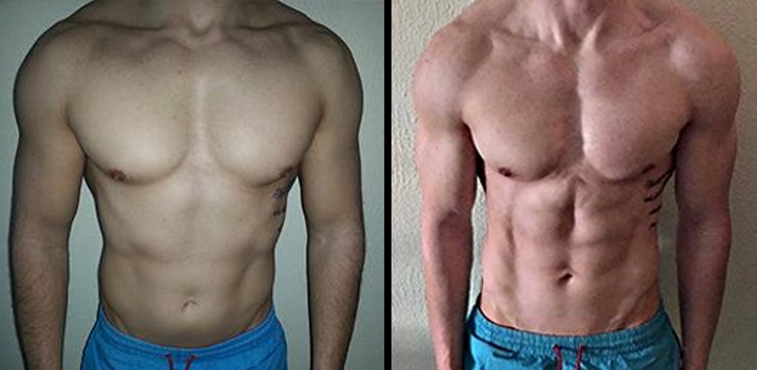
Marco enrolled in our bulking program (Lean Gains), where we focus solely on muscle growth. That was precisely what we focused on throughout this period, improving his body composition by gaining muscle with minimal fat gain (even though some is inevitable) during all of the process. Since Marco had a very fast metabolism, we had to progressively increase his caloric consumption while always adjusting his macro nutrient consumption accordingly.

Now, Marco is eating 175g of protein, 490g of carbs (25g to40g of which fiber) and 70g of fats and a good portion of the food that he eats in order to fulfill his macro goals contain many essential micro nutrients.

Untitled2
Throughout the coaching program, Marco managed to lose weight (body fat) and still increase muscle mass. Cases like this one are exceptional, because very few are the people who can lose fat during a bulk (even if it’s progressive and the macro nutrient intake is adequate). This situation only happens to people whose metabolisms are very fast, and even then, it’s very rare. So, don’t expect to bulk up and lose weight at the same time. We can’t forget the fact that Marco was already pretty lean, which makes this approach even more adequate.

RELATED: HOW TO WORK THE LATERAL DELTS (SHOULDERS)

When a client of ours, in an initial phase, need to lose fat in order to achieve a good physical condition, this will not be our approach. Even though we know that some people hate to lose volume, we prefer to focus on fat loss first, so that we can the focus on gaining lean muscle mass. This way, we’re able to make our clients finish their coaching programs with less muscle mass than they had before they started to work with us and, especially, be eating much more calories that they could initially while showing a much better physical condition than when they started! So, if you’re interested in doing what Marco did and get started on your transformation, get in touch with us through our  Contacts page.


creatine-2.jpg


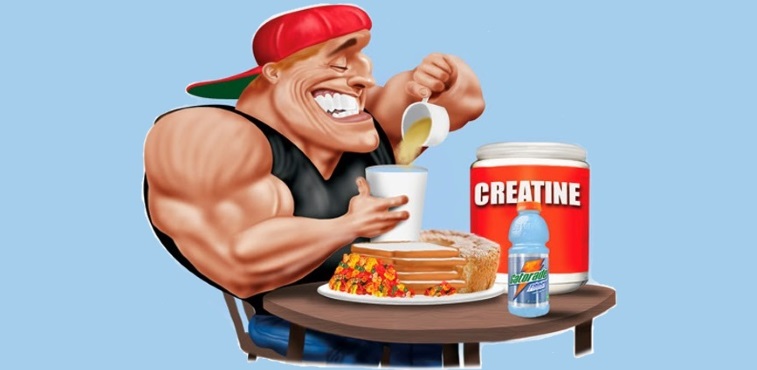
The time to speak about one of the largest elephants in the room has come…CREATINE! Contrary to what many people believe, creatine is NOT an anabolic steroid. It is simply a compound composed of three combined amino acids: arginine, glycine and methionine. So you can calm your families’ anxiety down, it’s not “the stuff”. Creatine is a molecule produced by our body, where many groups of phosphate are stored, which then lead to the creation of creatine phosphate containing high levels of energy. During stress periods, creatine phosphate releases energy to aid cellular function. That’s where strength increase come from after one uses creatine as a supplement. But, it also helps in other fields such as brain, bone, muscle and liver function. Creatine can be found in various foods, but mainly in eggs, meat and fish. It also provides several benefits in terms of the cardiovascular and nervous systems.

RELATED: HOW TO WORK THE LATERAL PORTION OF THE DELT (SHOULDER)

There are many types of creatine, but creatine mono-hydrate is the cheapest and most effective form. Micronized creatine mono-hydrate is easily dissolved in water so it’ll be easier to take. Creatine can be taken using a loading phase, using 0,3g per kg of body weight for 5-7 days. It can then be followed by a maintenance phase of at least 0,03g per kg of body weight per day, for 6-8 weeks if cycled, or even for an undetermined period of time (without any more loading phases). For example, a person weighing 82kg would be taking 25g of creatine per day during the loading phase and 2,5g during the maintenance phase. Due to the low cost that this supplement has, many people take around 5g per day during this same phase, which reveals many benefits. For those who have a high activity level and more muscle mass, you can progressively increase your intake up to 10g per day (take note that there’s no point in rushing, this increase could take anywhere from 3 to 5 years, depending on muscle mass built).

RELATED: UNVEILING THE “TREND DIETS” – THE “BRO DIET” (PART 2/6)

Creatine doesn’t NEED to by cycled (some people just feel safer doing so), because studies reveal that it poses no risk to human health, contrary to what many people think (many assume that it negatively impacts kidney functioning). A study was conducted using only people who possessed only one kidney, taking 20g of creatine per day. They presented no negative kidney impacts. If you’re looking to increase your performance in the gym, creatine is a good solution, since many studies have shown that after the first time you introduce creatine as a supplement, performance can increase up to 20%. It’s a supplement to take into account.


Untitled21-2.png


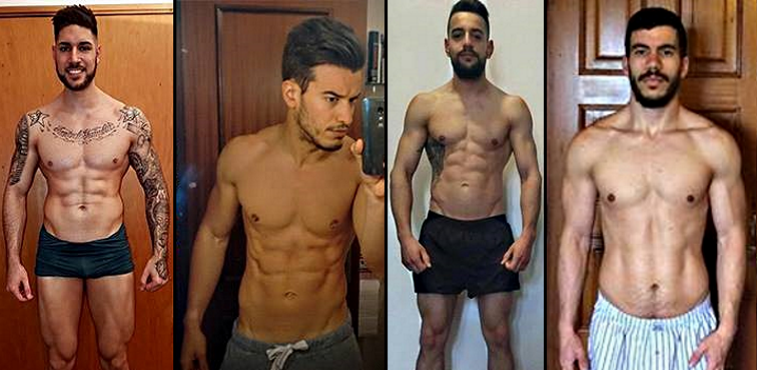
As you all know, we’re now 3 days away from the Summer! With our team’s help, we want to motivate you into starting to work, as fast as you can, on your goals. So don’t leave for tomorrow what you can do today! That being said, we’re here to show you the results of our challenge, where we show our most dedicated clients’ evolution throughout 8 weeks of coaching.

As you can remember, this challenge consisted in giving prizes to the best 8 weeks of coaching transformation. The grand winners are:

2nd: André Guerreiro – Won 400€ + Free Renewal of his Coaching Program;

2

3rd: Davide Morgado – Won 300€ + Free Renewal of his Coaching Program;

3

4th: João Bastos – Won 200€ + Free Renewal of his Coaching Program;

4

5th e 6th: Ana Santos and André Matias – Free Renewal of their Coaching Program.

During the 8 weeks of coaching, just like with all our clients, we didn’t tell anyone to do long cardio sessions or fasted cardio. All we did was advise the implementation of an intelligent caloric deficit along with 2 weekly HIIT sessions, so that we could optimize their results without them having to undergo useless sacrifices. Our team, just like what happened with these coaching programs, never prescribes long, useless cardio sessions that are only good for damaging your mind and physical appearance, making all of the process inconsistent and impossible to tolerate and maintain for an extended period of time.

RELATED: SHOULD WE DO FASTED CARDIO? NO!

In our coaching programs, energetic deficits as well as cardio are allied in a way that allows us to introduce high intensity cardio sessions when it’s no longer viable to increase the caloric deficit thanks to food cuts. This allows our clients not to undergo hunger or train like they were going to compete in a marathon. Our team’s methods are an exception to the rule, because they allow our members not to restrict food types, managing to respect their personal food preference, as long a sthey fulfill the many nutrient goals we set (macro and micro). That being said, if you want to do as they did and get starter on your transformation, get in touch with us through our  Contacts page.


featured-the-diet-myth1-2.jpg

The time has come for us to share the last piece of the unveiling the “trend diets” saga. We decided we should include this last type of diet because even though vegetarians choose this diet for ethical reasons, the industry tries to creates some confusion in peoples’ heads. For example, that being strictly vegetarian is healthier than being an omnivore.

What does being vegetarian imply?

A vegetarian doesn’t eat animals, period.

Some vegetarians eat animal products like dairy, eggs and honey, contrary to vegans, for whom eating anything animal or animal related is strictly out of the question.

There are other times of vegetarianism beyond this one, but this is all we’ll talk about.

RELATED: HOW TO MAINTAIN OUR DIET WHILE TRAVELING (PART 1/2)

What can you eat?

Fruit and vegetables are a good starting point!

All things like grains, legumes, dairy products like cottage cheese, milk, yogurt and some meat substitutes, such as tofu and soy are accepted.

Meat, fish and seafood is out of the question.

Meal Examples:

Breakfast – Oat flakes with milk, peanut butter and vegetarian (pea, soy, rice…) protein powder.

Lunch – Salad with 4-6 different types of vegetables, cottage cheese, onions and pieces of fruit.

Dinner – Sautéed vegetables with brown rice or noodles, along with tofu or soy.

Snacks – Fruit, vegetarian protein shakes, protein bars, nuts, peanut butter, veggies…

So, as always, let’s take a look at the pros and cons:

Pros:

  1. Vegetarian people have been proven to be healthier or to have a greater life expectancy than carnivores in many studies. But, this is because of the fact that they pay more attention to fruit, seeing as they ingest more vegetables, fruit and fiber, hardly eating any fast food.
  2. Once more, this has to do with their lifestyle and the fact that they don’t include meat in their diet.
  3. In addition to all this, the fact that they don’t succumb to the luxury of stopping at a few places for some bites of a hamburger, makes them find delicious ways to cook food that normally people don’t even eat. So, cooking wise it can develop some skills.

RELATED: DANILO, ANDRÉ, DAVIDE E  JOÃO’S 8 WEEK TRANSFORMATION!

Cons:

  1. As you were probably expecting, lack of protein. By cutting our all meat and fish, they are seriously limiting their protein sources.
  2. Of course they can obtain protein from several vegetable sources or even tofu and soy, but most often than not, these sources don’t offer a very rich amino acid profile.Not to mention the lack of protein concentration in relation to carbs and fats, which will be quite predominant in this diet.
  3. It becomes very hard to hit micro nutrient goals with such high concentrations of carbs and fats as a pose to protein.

With that being said…

Here is where the superiority of flexible dieting is revealed, since it allows a customization to each person’s needs. By having control/goals regarding macro nutrients, we are able to understand what our body requires to achieve a certain result or goal. It’s like preparing a formula 1 racing car for a specific race. Each person is an independent and unique body, so it makes perfect sense that their diet should be so as well.

Have the best of both world with no diabolical sacrifices.


c7e6cf75ae03dcb993e83ea58d41905b-2.jpg

When most women approach their coach, or simply get into a gym, their list of goals, generally speaking is to achieve a firmer stomach, glutes with a better shape and thinner thighs.

For a coach, generally speaking, it’s rare to hear a woman say she wants a bigger, firmer chest. Actually, many women are under the impression that chest training isn’t necessary, or that it’s only suitable for men, fearing becoming less feminine.

Ladies…This is wrong. There’s no reason to be afraid. The clarification of a few aspects should help you overcome this barrier.

RELATED: HOW TO TRAIN ABS!

Myth nr. 1 – Will chest exercise decrease my breast size?

This myth was created thanks to female bodybuilding, since the competitors step on stage with relatively “flat” chests, which most women don’t find feminine. But, it isn’t muscle that makes the breasts small, it’s the energetic deficit!

Most female competitors step on stage with a very reduced percentage of body fat, considered unhealthy for a woman. Breasts are primarily composed of adipose tissue, so if you reduce body fat, so will they.

According to some studies, women need between 10 and 13% body fat to maintain basic physical and physiological functioning.

So, if you maintain your body fat levels at a level that’s considered healthy, you won’t have a problem.

Myth nr. 2 – Will chest training make my breasts “harder”?

This myth is actually comical to us… if a few bench press sessions made your breasts go from soft to hard as stone, who would need a sports bra anyway? This doesn’t happen.

By training your chest, only the layer of muscle under the breast’s adipose tissue will be worked. As long as, once again, you maintain your body fat levels in check, you won’t have a problem. What can happen is that that portion of muscle might make your breasts stand out even more.

Myth nr. 3 – I can only do push-ups!

Many women add this exercise to their training routine as a staple after they start to question their upper body development. Like any other muscle group, the chest needs to be worked enough, using some variety of exercises and load (weight).

A simple combination of incline bench press and cable crossovers can provide the variety and resistance you need. Contrary to push-ups, which when you hit a certain level of development, will no longer provide strength gains. Unless you add a few plates on your back to add resistance.

At the end of the day, that’s what makes us go to the gym, becoming stronger and healthier!

RELATED: HOW TO MAINTAIN YOUR DIET WHEN YOU TRAVEL (PART 1/2)

So, if you want to have a body that you’re proud of, you should include this muscle in your weekly routine. Try it out!


fiber-team-2.jpg

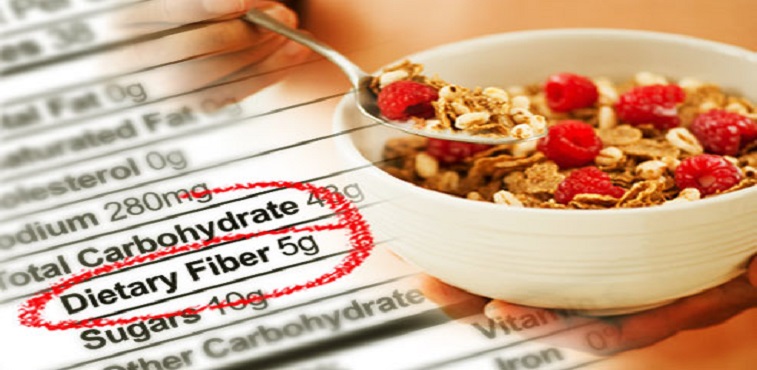
Fibre is a well-known nutrient, but not well understood. Basically, it’s a carbohydrate that our body cannot digest.

Fibres are classified as soluble or insoluble.

Between the two, insoluble are the least interesting from a fat loss standpoint, so we’re going to focus on the soluble ones, that can have greater impacts on our metabolism and health.

RELATED: UNVEILING THE “TREND DIETS”  – THE PALEO DIET (PART 3/6)

Fibres help the intestinal flora!

It’s estimated that there are around 100 trillion bacteria living inside our intestines. It can seem like something undesirable, but it’s quite the opposite!

There are many types of bacteria that perform the most different roles in terms of health, like weight control, blood sugar levels and immunity.

Just as any other organism, they need food to remain healthy. This is where soluble fibres come into play. By increasing the quality and growing the intestinal flora, you produce a greater pro-biotic effect that will promote better health in general, including weight control

Intestinal flora helps fight inflammation, a key aspect in child obesity!

fibre

The importance of intestinal flora is known for quite some time, as well as it’s anti-inflammatory benefits. It produces several nutrients, including small chain fatty acids that feed the colon cells.

This will reduce intestinal inflammation, which the promotes proper digestive system function.

Even though inflammation is a process, that in a short term helps our body fight strange bodies or even repair damaged cells, long term or chronically, it becomes dangerous and can be totally destructive for our body tissues.

Now it’s known that chronic inflammation is responsible for many “western” diseases, like cardiac problems, Alzheimer’s or even metabolic problems There is also evidence that shows that it can be key for weight gain and obesity, since it has effects on hormones like Leptin.

Fibre can help appetite reduction!

Even though many people don’t believe in counting calories, to lose weight it’s necessary for you to be in some form of a caloric deficit. Since less calories in means less energy in, the less you store.

Most food rich in fibre present a certain viscosity and even density, which makes them bulkier and harder to eat and digest by our stomach. Result? Faster satiety.

So, if it helps keeping your mouth shut, it helps you to lose weight!

RELATED: THE BEST WAY TO CONTROL HUNGER!

Here are a few good sources of fibre:

Food portion fiber (grams)
CEREALS
Oats 100 9.7
Barley 100 6.8
Brown Rice (Raw) 100 3.8
Whole Grain Bread 100 7.4
LEGUMES AND VEGETABLES (Raw)
Spinach 100 2.6
Broccoli 100 2.6
Brussel Sprouts 100 3.8
Carrots 100 2.6
String Beans 100 3.0
White Beans 100 9.4
FRUIT
Pears 100 2.2
Apples 100 2.1
Bananas 100 3.1
NUTS AND SEEDS
Plum (dried) 100 15.6
Raisins 100 3.7
Peanuts 100 8.8
Popcorn* 100 15
* unsalted


supino-como-fazer-2.jpg

We’re about to enter a new month, a new challenge. With that, a whole bunch of new Mondays…

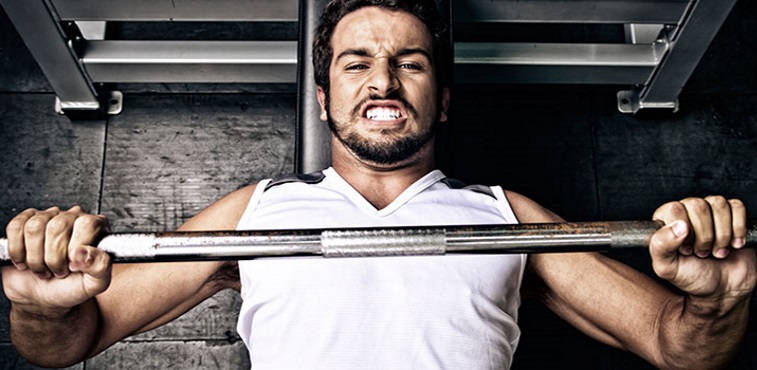
That annoying day when nobody wants to work, that day that many people would remove from their week. The only really great thing about Monday is that smell of Bench Pressing around the gym. Doesn’t it lift your spirits?

Walking around the gym with a pumped up chest and hiding your legs (hold up, we’re not trying to discriminate) is a great feeling, which many people love. It’s easily observable, since it’s the busiest day in the gym. Now why’s that, I wonder…

RELATED: FOREARMS, THE FORGOTTEN MUSCLE!

But all of that doesn’t matter. Now that you’re here, you’ll do the course and set an example!

  1. AMS– This acronym is very important; it stands for Accessory Muscle Strengthening. What does that mean? Isn’t the Bench Press all about the chest? Well, sort of. It’s a compound movement. Even though it primarily works the chest, it also recruits your anterior delts as well as your triceps. So a good way of progressing and gaining strength on the Bench Press is to strengthen these muscles. How? – you ask. Well, thanks to the Military Press for your anterior delts and the Close Grip Bench Press for your triceps. These two exercises will be important in your Amateur to pro transformation. You can fit them in on the days that you work these muscles, but you should increase the training frequency for these 2 exercises to 2-3 times a week.
  2. Strengthening your upper back – What? There are even more muscles intervening? Yes, but these upper back muscles act in more of a passive way. Basically what they do is provide stability to the exercise. Long term it will also keep your shoulders healthy, since keeping your back tight while pressing relieves unnecessary tension from the deltoid. Less pain, less injury.
  3. Foot placement – In the benches for pressing area, it’s common to see a plethora of bamboos, like a bamboo forest. Some with their “bamboos” (legs) wide, some close, some on the bench…even in the air. The goal here, so that you have better leverage to perform the press is to place your feet firmly apart, but not too much apart, while keeping a good amount of tension going through your legs, trying not to arch your back excessively. That’ll only shorten your range of motion, which can result in incorrect muscle development, injuries and lack of “gainz”, brah.
  4. “Bar pathway” – The most efficient way, mechanically speaking, is to raise the bar from the bottom of your chest until the bottom of your neck. So, it’ll be a slightly curved trajectory, since your elbows will rotate throughout the concentric portion. Try to maintain tension on the pecs throughout both phases, both concentric and eccentric so that you optimally recruit its muscle fibers.
  5. Elbow and wrist positioning– When we execute a flat Bench Press, we should keep our elbows and wrists aligned with the bar, specially on the bottom portion of the exercise. When you bend your elbow to reach this point, you’ll eliminate unnecessary tension on your rotator cuff and tendons. So, more health for your joints and tendons. The wrist, which you must not confuse with your fist, should not lean back. It should remain aligned with your forearm. Many weightlifters have broken their arms because they incorrectly placed their wrists in relation to their arms. This obviously happens when great amounts of weight are used.


ght2-2.jpg

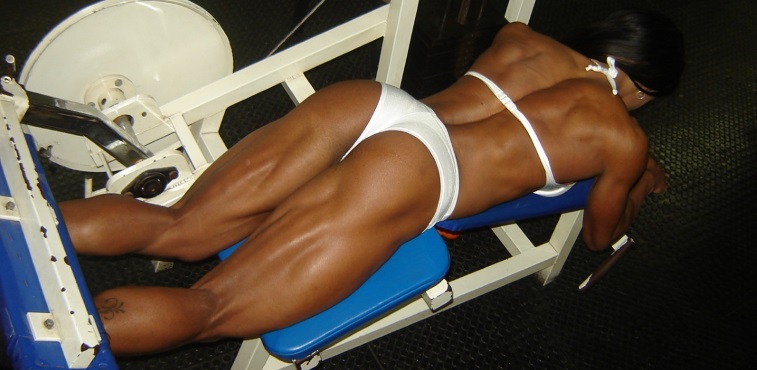
When we go into a gym, it’s rare that we see someone packing serious “beef” on the posterior part of their legs. They usually carry a slice of ham instead.

What happened? Is it just an ornament?

In most cases, leg workouts are extremely focused on the quadriceps and tend to include only one isolation exercise for the Hamstrings, the posterior part of the legs, which usually is a leg curl performed at the end of your workout, right?

Well, it’s no surprise that this muscle is lagging…

The hamstring muscle group (where the bicep femoris is included) performs very important functions in terms of our motion, even though many people think this is the quads’ job.

SEE ALSO: DANILO MATOS’S 8 WEEK TRANSFORMATION

An athlete that doesn’t work these muscles has a high risk of injury and much less performance, since everything that these muscles do is important:

  • Knee flexion;
  • Hip extension.

These two movements are extremely important in our movements, including running, which has by itself acceleration/deceleration movements as well as many changes of direction. Deven though a race is primarily the results of good motor coordination, the work that needs to be done by this portion of your thighs is extremely important.

RELATED: WOMEN SHOULDN’T DO BENCH PRESSES

  • In order to structure a good hamstring workout, you need to understand that:
    1. You must perform knee flexion as well as hip extension;
    2. This group of muscles is built for speed, so it has a high contractile speed;
    3. They’re involved in knee stabilization.

    Having these three aspects in your mind will allow you to optimally train this portion of the legs, by focusing on the eccentric (negative) portion of the exercises, controlling it slowly, and exploding on the concentric (positive) portions!

    SEE ALSO: FOREARMS, THE FORGOTTEN MUSCLES…

    Exercises to work into your routine:

    Hip Extension:

    • Romanian Deadlift;
    • Low Pulley Hip Extension;
    • Power Cleans or Snatches;

    Knee Flexion:

    • Glute-Ham Raise;
    • Leg Curl;
    • Isometric Leg Curl – 3 positions, 30 seconds each.

    .

RELATED: HOW TO WORK THE LATERAL PORTION OF YOUR DELTS!

Pro Tips: If you find it hard activating your hamstrings, before you actually start the workout, grab on to a wall or poste and perform 10 repetitions of a Standing Body Weight leg Curl. When executing Leg Curls on a machine, try to counter the hip raise by pushing it against the pad on the machine, so that you isolate and recruit your hamstrings. You’ll see that the load will go down, but exercise execution will improve, originating better results.


beta-alanina-2.jpg


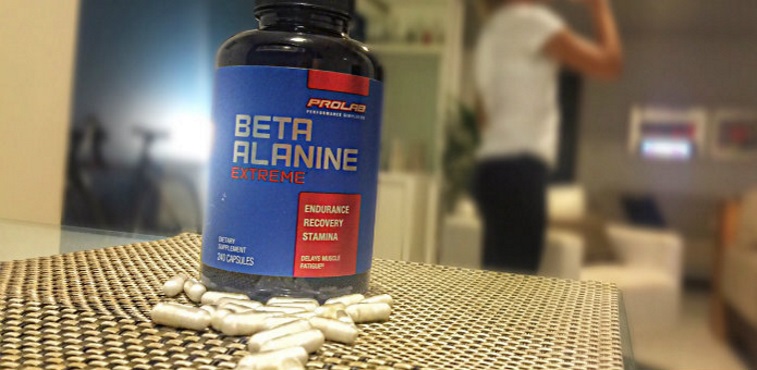
Many of our clients ask about beta-alanine supplementation during our coaching programs. Beta-alanine is present in numerous supplements, but mostly pre-workouts.

It’s transversely used in this type of supplement, so this question must be asked: Is it worth it?

More than that, we have to decompose beta-alanine into a little science:

RELATED: HOW TO MAINTAIN OUR DIET WHILE TRAVELING (PART 1/2)

Beta-alanine is a modified version of the Alanine amino acid, and is present I many natural protein sources, especially meat. When beta-alanine is ingested, it’s transformed along with histidine (another amino acid) into Carnosine. It’s then stored in the cells and is released when a decrease in PH occurs. The enzyme responsible for carnosine’s synthesis is called ATPGD1, which manifests itself mainly in the muscles and in a smaller scale in the brain.

High carnosine concentrations can protect our body from diet induced PH drops. In a state of ketosis, it can also offer protection against exercise’s byproduct lactic-acid. It also demonstrates to have neural protection, anti-aging, and anti-oxidant functions, as well protecting us from glycation. Also, it can make contractile muscle more sensitive to calcium.

Beta-alanine is synthesized in the liver and is posteriorly transported to the cells where carnosine is synthesized and stored, primarily in type 2 muscle fibers. Even though carnosine is composed by the junction of 2 amino acids, the limiting factor in its production is beta-alanine availability.

Even though beta-alanine plays such an important role, histidine deficiencies can result in diminished carnosine and beta-alanine in plasma and muscle.

Supplementing with beta-alanine results in greater carnosine concentration levels, that if it (carnosine) were to be taken by itself.

Beta-alanine is a very peculiar case, because it has a side effect that many people have grown to love, known as paresthesia. This phenomenon makes the user experience tingles/pins and needles on his face or body extremities. This side effect is totally harmless and only happens when there’s an over-usage of this modified amino acid (doses larger than 1g per serving). Pre-workouts can contain up to 3,2g of this products, per scoop.

By supplementing with beta-alanine, you’ll have increased muscular resistance, since it helps in lactic-acid elimination. But not only! It also reduces muscular fatigue. One of the chronic fatigue indicators is a high concentration of beta-alanine in urine!

RELATED: MARCO’S 15 WEEK TRANSFORMATION!

This product isn’t only for men. Actually, beta-alanine supplementation on women can reduce the perception of fatigue and exhaustion, as you can read about in the following link: (http://www.ncbi.nlm.nih.gov/pubmed/17136505).

So that you don’t experience paresthesia and guarantee greater efficacy of this product, the best thing to do is take it every 4 hours. 800mg of beta-alanine + 200mg o histidine. You can ingest this combo in the form of pills or in powder, adding it to your favorite drink.


logo site alternative light

Team Transformerz promotes a nutritional orientation approach that is both balanced and flexible, without fixed plans or restricted timetables. This way, everyone manages their meal plan each day, adapting it to his/her routine and preference!

Google & Facebook Reviews

TEAM TRANSFORMERZ™. All Rights Reserved.